
Category: Finance

Buying Fake Money – A Smart Move for Personal and Professional Development

In a world where financial literacy and effective money management are crucial for both personal and professional success, the concept of buying fake money might initially seem counterintuitive. However, this seemingly unconventional approach can offer surprising benefits when used responsibly. Here is how incorporating fake money into your development strategy can be a game-changer for you.

Enhancing Financial Literacy

One of the primary advantages of using fake money is its potential to enhance financial literacy. Fake money provides a tangible tool to practice and understand financial concepts without the risk of real financial loss. Whether you are an individual looking to improve your budgeting skills or a business professional aiming to get a better grasp of cash flow management, fake money can serve as a practical teaching aid. By simulating various financial scenarios, you can experiment with different budgeting techniques, savings strategies, and investment decisions. This hands-on approach helps build a solid foundation of financial knowledge that can be applied to real-life situations.

Sell Fake Money

Strengthening Business Planning

For entrepreneurs and business owners, buy counterfeit money can be an invaluable asset in business planning and strategy development. When designing a business model or financial strategy, using fake money allows you to create and test various financial scenarios, such as pricing strategies, revenue projections, and expense management. By conducting these experiments with fake money, you can gain insights into how different variables impact your business’s financial health without the risk of actual monetary loss. This practice can lead to more informed decision-making and a clearer understanding of your business’s financial dynamics.

Improving Negotiation Skills

Negotiation is a critical skill in both personal and professional settings. Fake money can be used to simulate negotiation scenarios, allowing individuals to practice and refine their negotiation tactics. By creating mock transactions or business deals with fake money, you can experiment with different negotiation strategies, learn how to handle objections, and develop effective communication skills. This practice can build confidence and prepare you for real-world negotiations, ultimately improving your ability to secure favorable outcomes in various situations.

Facilitating Financial Education for Others

If you are involved in teaching or mentoring others about financial literacy, fake money can be an excellent educational tool. Using fake money in workshops, seminars, or educational programs can make financial concepts more accessible and engaging for learners. It allows individuals to physically handle money, see the impact of their financial decisions, and grasp abstract concepts more concretely. This interactive approach can enhance understanding and retention of financial principles, making it a valuable resource for educators.

While buying fake money may seem like an unconventional approach to personal and professional development, its benefits are considerable. From enhancing financial literacy and business planning to improving negotiation skills and facilitating financial education, fake money can be a valuable tool for growth and learning. By incorporating fake money into your development strategy, you can gain practical experience, build confidence, and acquire skills that will serve you well in various aspects of your life.

Harnessing the Power of Artificial Intelligence in Stock Trading

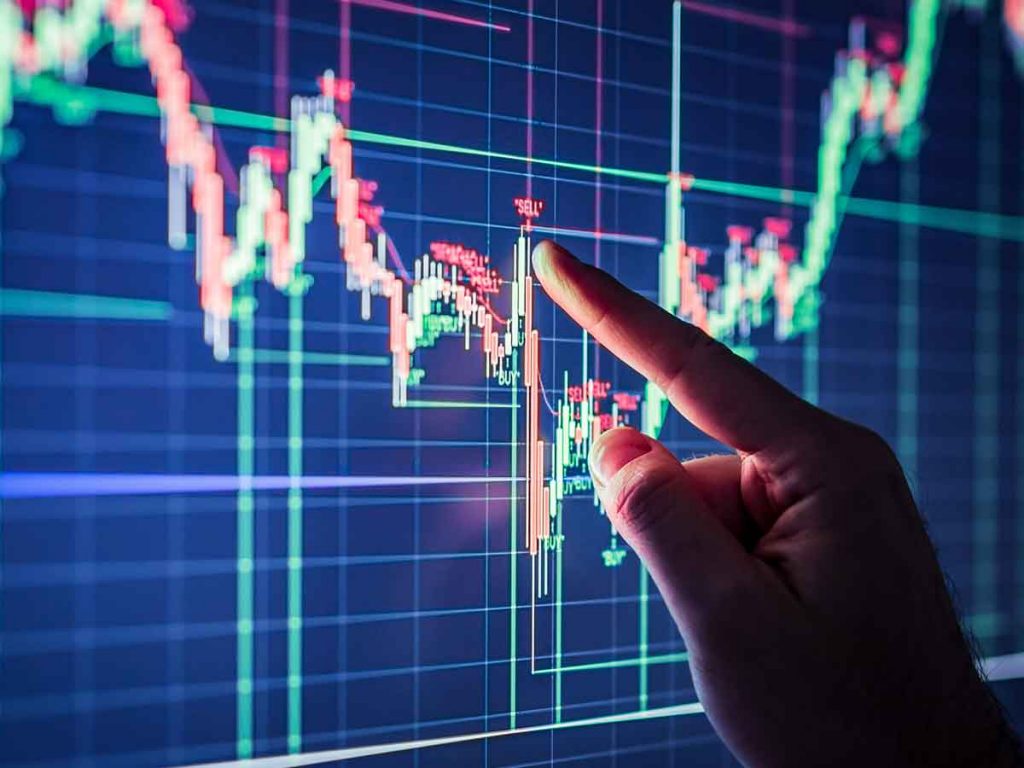
Harnessing the power of artificial intelligence AI in stock trading has revolutionized the way traders analyze markets, execute trades, and manage portfolios. AI technologies, such as machine learning algorithms and natural language processing, offer unparalleled capabilities to process vast amounts of data, identify patterns, and make data-driven predictions with remarkable accuracy and efficiency. By leveraging AI tools and techniques, traders can gain a competitive edge in the financial markets, uncovering hidden insights and opportunities that may not be apparent through traditional analysis methods. One of the key ways AI is transforming stock trading is through predictive analytics, where machine-learning algorithms analyze historical market data to identify patterns and trends that can be used to forecast future price movements. These algorithms can analyze a wide range of data sources, including price data, trading volume, news sentiment, and social media chatter, to identify correlations and patterns that human traders may overlook.

Xtrade

By incorporating AI-driven predictive models into their xtrade strategies, traders can make more informed decisions and anticipate market movements with greater accuracy, helping them capitalize on profitable trading opportunities and minimize potential losses. Furthermore, AI-powered trading algorithms are increasingly being used to automate the execution of trades, enabling traders to execute orders at optimal prices and times without human intervention. These algorithms can react to market conditions in real-time, adjusting trading strategies dynamically based on incoming data and market signals. By automating trade execution, traders can eliminate human biases and emotions from the decision-making process, ensuring trades are executed based on objective criteria and predefined rules. This not only improves the efficiency and accuracy of trade execution but also frees up traders’ time to focus on higher-level strategic decisions and portfolio management tasks. Additionally, AI is revolutionizing risk management in stock trading by providing advanced analytics and modeling capabilities to assess and mitigate portfolio risks.

Machine learning algorithms can analyze historical data to identify potential risks and vulnerabilities in a portfolio, such as exposure to specific market sectors or correlations between assets. By identifying these risks proactively, traders can adjust their portfolios accordingly to minimize exposure and protect against potential losses. Moreover, AI-driven risk management tools can provide real-time monitoring and alerts to help traders stay informed about changing market conditions and take prompt action to mitigate risks as they arise. Moreover, AI technologies are also being used to enhance the effectiveness of quantitative trading strategies, where traders rely on mathematical models and statistical analysis to identify trading opportunities. Machine learning algorithms can optimize these models by identifying optimal parameters and refining trading strategies based on historical data and market feedback. By continuously learning and adapting to changing market conditions, AI-driven quantitative trading strategies can achieve higher levels of performance and profitability compared to traditional approaches.

Ethereum’s Surge Outpaces Market Expectations

Ethereum’s recent surge has significantly outpaced market expectations, capturing the attention of investors, analysts, and blockchain enthusiasts alike. As the second-largest cryptocurrency by market capitalization, Ethereum’s performance is often seen as a bellwether for the broader digital asset market. Several factors contribute to its remarkable ascent, including technological advancements, growing adoption in decentralized finance DeFi and non-fungible tokens NFTs, and strategic upgrades to its network. One of the primary drivers behind Ethereum’s surge is the increasing adoption of DeFi platforms. DeFi represents a paradigm shift in the financial sector, offering decentralized alternatives to traditional financial services such as lending, borrowing, and trading. These platforms are predominantly built on the Ethereum blockchain, leveraging its smart contract capabilities to automate and secure financial transactions. The total value locked TVL in DeFi protocols have skyrocketed, reflecting a surge in user interest and capital inflow. This growth not only highlights Ethereum’s utility but also fuels demand for Ether ETH, the network’s native cryptocurrency, as it is required for transaction fees and staking.

In addition to DeFi, the explosive growth of NFTs has significantly bolstered Ethereum’s market performance. NFTs, which represent unique digital assets such as art, music, and virtual real estate, have become a cultural phenomenon. Most NFTs are minted and traded on the Ethereum blockchain, driving up the number of transactions and, consequently, the demand for ETH. The NFT boom has attracted a diverse range of participants, from artists and top cryptocurrencies creators to investors and collectors, further embedding Ethereum in the digital economy. Technological advancements and network upgrades have also played a crucial role in Ethereum’s recent surge. The transition from Ethereum 1.0 to Ethereum 2.0, an upgrade aimed at improving scalability, security, and sustainability, is a significant milestone. Ethereum 2.0 introduces a shift from a proof-of-work POW consensus mechanism to a proof-of-stake PoS model. This change is expected to reduce the network’s energy consumption by over 99%, addressing one of the major criticisms of blockchain technology. Additionally, PoS are anticipated to enhance transaction throughput and reduce fees, making the network more efficient and attractive for users and developers.

 cryptocurrenciesAnother pivotal upgrade is the implementation of Ethereum Improvement Proposal 1559 EIP-1559, which fundamentally alters the way transaction fees are managed on the network. EIP-1559 introduces a base fee mechanism that adjusts dynamically based on network congestion, improving transaction fee predictability. More importantly, it implements a burn mechanism where a portion of the transaction fees is permanently removed from circulation, creating a deflationary pressure on ETH supply. This has been positively received by the market, as it could lead to an appreciation in the value of ETH over time. Moreover, the broader acceptance and integration of blockchain technology by mainstream institutions have lent credibility and stability to Ethereum. Major corporations, financial institutions, and even governments are exploring and implementing blockchain solutions, with Ethereum often being the platform of choice due to its robustness and developer-friendly environment.
Debt Counseling Mastery – Proven Techniques for Sustainable Financial Success

Debt Counseling Mastery – Proven Techniques for Sustainable Financial Success stands as a beacon of hope amidst the tumultuous seas of financial insecurity. In a world where debt can quickly spiral out of control, this comprehensive guide offers a lifeline, providing individuals with the tools and knowledge they need to navigate their way to stability. With approximately 470 words of wisdom, it delves into the core principles of debt management, offering actionable insights backed by years of experience and expertise. At its heart, Debt Counseling Mastery emphasizes the importance of understanding one’s financial situation. It encourages readers to confront their debts head-on, rather than allowing them to fester in the shadows. By taking stock of their liabilities and assets, individuals can gain a clearer understanding of their financial health, enabling them to formulate a realistic plan for the future. Central to the book’s approach is the concept of budgeting.

Debt Counseling Mastery recognizes that effective budgeting is the cornerstone of financial stability, empowering individuals to take control of their spending habits and prioritize their financial obligations. Through practical tips and strategies, readers learn how to create and stick to a budget that aligns with their income and expenses, laying the groundwork for long-term financial success. In addition to budgeting, the book explores various debt repayment strategies, equipping readers with a toolkit of techniques to tackle their debts strategically. From the snowball method to the avalanche method, each approach is carefully explained, allowing individuals to choose the strategy that best fits their circumstances. Moreover, Debt Counseling Mastery emphasizes the importance of communication and negotiation when dealing with creditors, empowering readers to advocate for themselves and seek favorable terms Manage Your Debt today. Beyond debt repayment, the book also delves into the importance of building an emergency fund and saving for the future. It stresses the need for individuals to prioritize savings, even in the face of mounting debts, as a buffer against unforeseen expenses and financial emergencies.

By cultivating a habit of saving, readers can protect themselves from further debt accumulation and lay the groundwork for a more secure financial future. Moreover, Debt Counseling Mastery recognizes the psychological toll that debt can take on individuals and offers guidance on overcoming financial stress and anxiety. Through mindfulness techniques and exercises, readers learn how to cultivate a positive mindset and maintain resilience in the face of financial challenges. By addressing the emotional aspects of debt, the book provides holistic support for individuals seeking to regain control of their finances. In conclusion, Debt Counseling Mastery is more than just a guidebook; it is a roadmap to financial empowerment. By equipping readers with the knowledge, tools, and strategies they need to manage their debts effectively, it paves the way for sustainable financial success. Whether grappling with mounting debts or striving to build a brighter financial future, readers will find invaluable guidance within the pages of this transformative book.

Swift Solutions for Financial Challenges – Depend on Our Money Lender

When faced with financial challenges, turning to a dependable money lender can offer swift solutions that alleviate immediate stress. At our lending institution, we understand the urgency that financial difficulties can bring. Whether it is unexpected medical expenses, urgent home repairs, or simply bridging a cash flow gap, our services are designed to provide timely assistance. One of the key advantages of relying on our money lending services is the speed with which we can process applications. We recognize that time is often of the essence, and our streamlined application and approval process ensures that qualified borrowers can access funds quickly. Moreover, our institution prides itself on transparency and fairness. We believe in responsible lending practices, which means clearly outlining the terms of the loan, including interest rates, fees, and repayment schedules. This transparency empowers borrowers to make informed decisions and understand the financial commitment they are undertaking. Our goal is not just to lend money but to build lasting relationships based on trust and integrity.

Another benefit of choosing our money lending services is flexibility. We recognize that each borrower’s financial situation is unique, and therefore we offer a range of loan options to suit different needs. Whether it is a short-term payday loan to cover immediate expenses or a longer-term installment loan for larger investments, we work with borrowers to find the right solution. Singapore personal loan money lender loan officers are committed to listening to clients’ needs and customizing loan packages that work best for them. Furthermore, our institution is committed to accessibility. We understand that traditional banks and financial institutions may not always cater to individuals with less-than-perfect credit scores or unconventional income sources. That is why we take a more holistic approach to assessing loan applications, considering factors beyond just credit history. Our goal is to provide financial solutions that empower individuals and families, regardless of their financial background. In addition to our commitment to service and flexibility, our money lending services prioritize security and confidentiality. We adhere to strict data protection regulations to safeguard our clients’ personal and financial information.

Borrowers can rest assured that their privacy is protected throughout the loan application and repayment process. Finally, what sets our money lending services apart is our dedication to financial education. We believe that informed borrowers are empowered borrowers. As part of our commitment to responsible lending, we offer resources and guidance to help clients improve their financial literacy and make sound financial decisions. From budgeting tips to debt management strategies, we aim to equip borrowers with the knowledge and skills they need to achieve financial stability in the long term. In conclusion, when facing financial challenges, relying on a trustworthy money lender can provide the swift and effective solutions needed to regain control. Our lending institution offers not just financial assistance but a comprehensive approach that prioritizes transparency, flexibility, accessibility, security, and education. By choosing our services, borrowers can navigate their financial hurdles with confidence and peace of mind.

Cryptocurrency and Financial Inclusion – Bridging the Gap for the Unbanked Population

Financial inclusion, the availability and accessibility of financial services to all members of society, is a critical component of economic development and poverty reduction. However, despite significant progress in recent years, a sizable portion of the global population remains unbanked, lacking access to traditional banking services. Cryptocurrency, with its decentralized and accessible nature, has emerged as a potential solution to bridge this gap and empower the unbanked population. One of the primary barriers to financial inclusion is the lack of access to banking infrastructure, particularly in rural and remote areas. Traditional banks often find it economically unviable to establish branches in these regions due to high operational costs. Cryptocurrency, on the other hand, operates on a decentralized network, accessible to anyone with an internet connection. This enables individuals in remote areas to participate in financial transactions without relying on physical bank branches. Moreover, the process of opening a bank account can be daunting and time-consuming, especially for those without proper documentation or identification. In contrast, cryptocurrency wallets can be created swiftly and with minimal personal information, democratizing access to financial services.

crypto tools

This simplicity eliminates bureaucratic hurdles, making it easier for the unbanked to enter the financial system. Furthermore, traditional banking systems often exclude marginalized communities, such as migrants or those with low incomes, due to stringent requirements or discrimination. Cryptocurrency transcends geographical and socio-economic boundaries, providing a level playing field for all users. Transactions are conducted pseudonymously, protecting the privacy and security of individuals who may face discrimination or persecution. Additionally, cryptocurrencies offer a more affordable alternative to traditional banking services. Traditional financial institutions impose various fees, such as account maintenance fees, overdraft fees, and transaction fees, which disproportionately affect low-income individuals. Cryptocurrency transactions, however, typically incur lower fees, if any, reducing the financial burden on the unbanked population. Moreover, cryptocurrencies can serve as a hedge against inflation and currency devaluation, particularly in developing countries with volatile fiat currencies. By diversifying their financial holdings into cryptocurrencies, individuals can preserve the value of their wealth and protect themselves from economic instability.

However, while cryptocurrency holds promise for financial inclusion, several challenges must be addressed to realize its full potential. One significant barrier is the lack of infrastructure and technical literacy in many regions. Access to the internet and smartphones, necessary for utilizing cryptocurrency, remains limited in certain areas. Initiatives to expand internet connectivity and provide digital literacy training are essential to ensure widespread adoption. Additionally, regulatory uncertainty and security concerns surrounding cryptocurrency pose risks to users, particularly the unbanked who may lack the resources to recover from fraud or hacks. Governments and regulatory bodies must strike a balance between fostering innovation and protecting consumers through clear and enforceable regulations. Cryptocurrency has the potential to revolutionize financial inclusion by providing a decentralized, accessible, and affordable alternative to traditional banking services. By leveraging blockchain technology, crypto tools can empower the unbanked population, enabling them to participate in the global economy and improve their financial well-being. However, concerted efforts from governments, financial institutions, and technology providers are necessary to overcome existing barriers and ensure that cryptocurrency serves as a catalyst for inclusive economic growth.

Impact of Economic Indicators on Trading – Strategies for Interpretation

Economic indicators play a crucial role in influencing trading decisions and market sentiments. Understanding how these indicators affect various asset classes can significantly enhance trading strategies and investment outcomes. One key aspect of interpreting economic indicators is to grasp their significance in the broader economic context. For instance, indicators like Gross Domestic Product GDP growth rate, employment data, inflation rates, and consumer confidence indices provide insights into the overall health of an economy. Traders often monitor these indicators to gauge the direction in which an economy is heading and adjust their positions accordingly. Moreover, the timing of economic indicator releases is critical for traders. Certain indicators, such as non-farm payroll reports or central bank interest rate decisions, can trigger significant market volatility upon release. Traders often prepare for such events by analyzing historical data and market expectations to anticipate potential price movements. Additionally, traders may employ various technical analysis tools to identify key support and resistance levels or trend reversals following the release of economic data. Furthermore, understanding the interplay between different economic indicators is essential for formulating effective trading strategies.

Trading Strategies

For example, a combination of high inflation and low unemployment may signal an overheating economy, prompting central banks to raise interest rates. This, in turn, could lead to a strengthening of the domestic currency and a downturn in equity markets. Traders who recognize these relationships can capitalize on such trends by implementing appropriate trading strategies, such as currency carry trades or hedging strategies. Risk management is another crucial aspect of interpreting economic indicators in trading. While economic data can provide valuable insights, it is essential to recognize the inherent uncertainties and limitations associated with them. Unexpected revisions or discrepancies in economic data releases can lead to sharp market reactions, catching traders off guard. Therefore, employing risk mitigation techniques such as stop-loss orders or position sizing based on volatility can help traders navigate volatile market conditions effectively.

Additionally, traders should consider the global economic landscape and geopolitical events when interpreting economic indicators xtrade review. In today’s interconnected world, economic developments in one region can have far-reaching implications for global financial markets. For instance, escalating trade tensions between major economies can disrupt supply chains and impact corporate earnings, influencing investor sentiment across asset classes. In conclusion, economic indicators serve as vital tools for traders in navigating financial markets. By interpreting these indicators effectively, traders can gain valuable insights into economic trends, anticipate market movements, and formulate sound trading strategies. However, it is crucial to recognize the inherent uncertainties and risks associated with trading based on economic data and to employ robust risk management practices to mitigate potential losses. Additionally, staying informed about global economic developments and geopolitical events can provide a broader context for interpreting economic indicators and making informed trading decisions.

Algorithmic Precision – Unleashing High-Speed Trading Strategies

Algorithmic precision is at the heart of the high-speed trading strategies that have revolutionized financial markets in recent years. In the fast-paced world of trading, where every millisecond can make a difference, algorithmic precision is the key to gaining a competitive edge. These strategies leverage advanced mathematical models and cutting-edge technology to execute trades at lightning speed, taking advantage of market inefficiencies and exploiting tiny price differentials. One of the primary factors driving the adoption of high-speed trading strategies is the increasing digitization of financial markets. As trading platforms transitioned from traditional floor-based systems to electronic networks, the door opened for algorithms to execute trades with unprecedented speed and efficiency. These algorithms are designed to analyze vast amounts of market data in real-time, identifying patterns and trends that human traders might miss. The use of complex algorithms enables traders to make split-second decisions, executing trades at speeds that were once unimaginable.

To achieve algorithmic precision in high-speed trading, developers employ sophisticated mathematical models and statistical techniques. These models take into account a multitude of factors, including market trends, historical data, and even social media sentiment. Machine learning algorithms play a crucial role, continuously learning and adapting to changing market conditions. The goal is to create algorithms that not only respond quickly to market movements but also learn from past experiences to optimize future trading decisions. Latency, or the time it takes for a trade to be executed, is a critical aspect of algorithmic precision in high-speed trading. Traders invest heavily in cutting-edge technology and infrastructure to minimize latency, often locating their servers in close proximity to exchange servers to reduce communication delays. Some even go as far as using specialized high-frequency trading (HFT) networks to gain a further edge in terms of speed. The relentless pursuit of reduced latency highlights the importance placed on every microsecond in the world of high-speed trading.

Risk management is another crucial component of algorithmic precision in high-speed trading. While these algorithms can execute trades at incredible speeds, they must also be designed to manage and mitigate risks effectively. Unexpected market events or sudden price fluctuations can lead to significant losses if not accounted for in the algorithm’s design of hts 분양. As a result, risk management algorithms are integrated into high-speed trading systems to automatically adjust trading parameters and minimize exposure to potential losses. In conclusion, algorithmic precision is the driving force behind high-speed trading strategies, reshaping the landscape of financial markets. As technology continues to advance, these algorithms will likely become even more sophisticated, pushing the boundaries of what is possible in terms of speed and efficiency. While the debate over the impact of high-speed trading on market dynamics continues, there is no denying that algorithmic precision has become a cornerstone of modern trading strategies.

Secure Signatures – Ensuring Authenticity in Modern Business Payment Processes

In the fast-paced and dynamic landscape of modern business, the need for secure signatures has become paramount in ensuring the authenticity of transactions, particularly in the realm of payments. As businesses increasingly rely on digital platforms and electronic transactions, the traditional ink-and-paper signatures have given way to more sophisticated and secure methods. One of the most prevalent solutions in this regard is the implementation of electronic signatures, which not only streamline the payment process but also offer robust security measures. Electronic signatures leverage advanced cryptographic techniques to verify the identity of the signatory and ensure the integrity of the signed document. These signatures are unique to each individual, making them a reliable means of authentication. In addition to enhancing security, electronic signatures contribute to the efficiency of business operations by eliminating the time-consuming process of physically signing and mailing documents.

Business Payments

Blockchain technology has emerged as another formidable player in the quest for secure signatures. By utilizing a decentralized and immutable ledger, blockchain ensures that once a signature is recorded, it cannot be altered or tampered with. This level of security is particularly crucial in high-stakes financial transactions, where the integrity of signatures directly impacts the trustworthiness of the entire payment process. Blockchain’s transparent and traceable nature also facilitates the auditing process, providing a clear and unambiguous trail of signatures and transactions. Biometric signatures represent yet another frontier in the pursuit of heightened security. With fingerprint, retina, or facial recognition technologies, businesses can establish an even more robust authentication process. The uniqueness of biometric data adds an extra layer of certainty to the identification of signatories, significantly reducing the risk of fraudulent activities. Moreover, biometric signatures offer a seamless and user-friendly experience, further enhancing the overall efficiency of payment processes.

Despite these advancements, it is essential for businesses to stay vigilant and proactive in adapting to evolving threats of Theperfectgift Ca. Cybersecurity measures must be continuously updated to stay one step ahead of malicious actors seeking to exploit vulnerabilities. This includes regularly assessing and fortifying the security protocols surrounding electronic signatures, blockchain, and biometric technologies. In conclusion, the landscape of secure signatures in modern business payments is evolving rapidly, with electronic signatures, blockchain, and biometrics leading the way. As businesses navigate this complex terrain, it is crucial to strike a balance between efficiency and security. By embracing these innovative technologies and staying vigilant against emerging threats, businesses can not only ensure the authenticity of their transactions but also foster a trust-based environment in the ever-evolving world of modern commerce. This is particularly crucial in the context of business payments, where swift and accurate transactions are imperative.

Smart Money Moves – Mortgage Loan Services for Financial Prosperity

In the world of personal finance, making smart money moves is essential for achieving financial prosperity. One such move that can have a significant impact on your financial well-being is securing a mortgage loan. Mortgage loan services provide individuals with the opportunity to own their homes, invest in real estate, and build wealth over time. In this article, we will explore the various ways in which mortgage loan services can contribute to your financial prosperity.

Homeownership as a Wealth-Building Tool

Owning a home is often considered a cornerstone of financial stability and prosperity. When you rent, you are essentially paying someone else’s mortgage, and your monthly housing costs do not contribute to your long-term financial well-being. In contrast, a mortgage allows you to invest in your own property, and as you make regular payments, you gradually build equity. Over time, the value of your home can appreciate, further enhancing your wealth. Moreover, homeownership can provide tax benefits, making it a smart financial move in the long run.

Mortgage Loan Services

Leveraging Real Estate Investment

Beyond personal homeownership, mortgage loans can be used to invest in real estate, whether it is purchasing a rental property or engaging in real estate development. Real estate investments have the potential to generate passive income and capital appreciation, which can significantly boost your overall wealth. Mortgage loans provide the financial leverage necessary to enter the real estate market, allowing you to benefit from the potential returns without having to invest the full purchase price upfront and Learn more.

Capitalizing on Low-Interest Rates

Mortgage interest rates play a crucial role in determining the overall cost of your home purchase. When interest rates are low, as they have been in recent years, it presents an opportune moment to secure a mortgage. Low rates translate to lower monthly payments and a reduced long-term cost of borrowing. By locking in a low-interest rate, you can save thousands of dollars over the life of your mortgage, making homeownership more affordable and a more attractive investment option.

Building Credit and Financial Responsibility

Applying for and responsibly managing a mortgage loan can have a positive impact on your credit score. Mortgage lenders report your payment history to credit bureaus, which can help improve your credit over time. A higher credit score not only makes it easier to qualify for other loans and credit cards but also allows you to secure them at more favorable terms. This can lead to better financial opportunities and improved access to credit, ultimately contributing to your financial prosperity.

Diversifying Your Investment Portfolio

Mortgage loans can also play a role in diversifying your investment portfolio. While stocks and bonds are typical investment options, real estate can offer a unique and relatively stable investment avenue. By having mortgage-backed real estate investments in your portfolio, you can balance the risk and return of your overall investments. Diversification is a key strategy in wealth management and can help you weather market fluctuations and achieve long-term financial prosperity. Always work with trusted lenders and financial advisors to ensure that you make the right financial moves that align with your long-term goals. By harnessing the power of mortgage loans, you can secure a more prosperous financial future.